
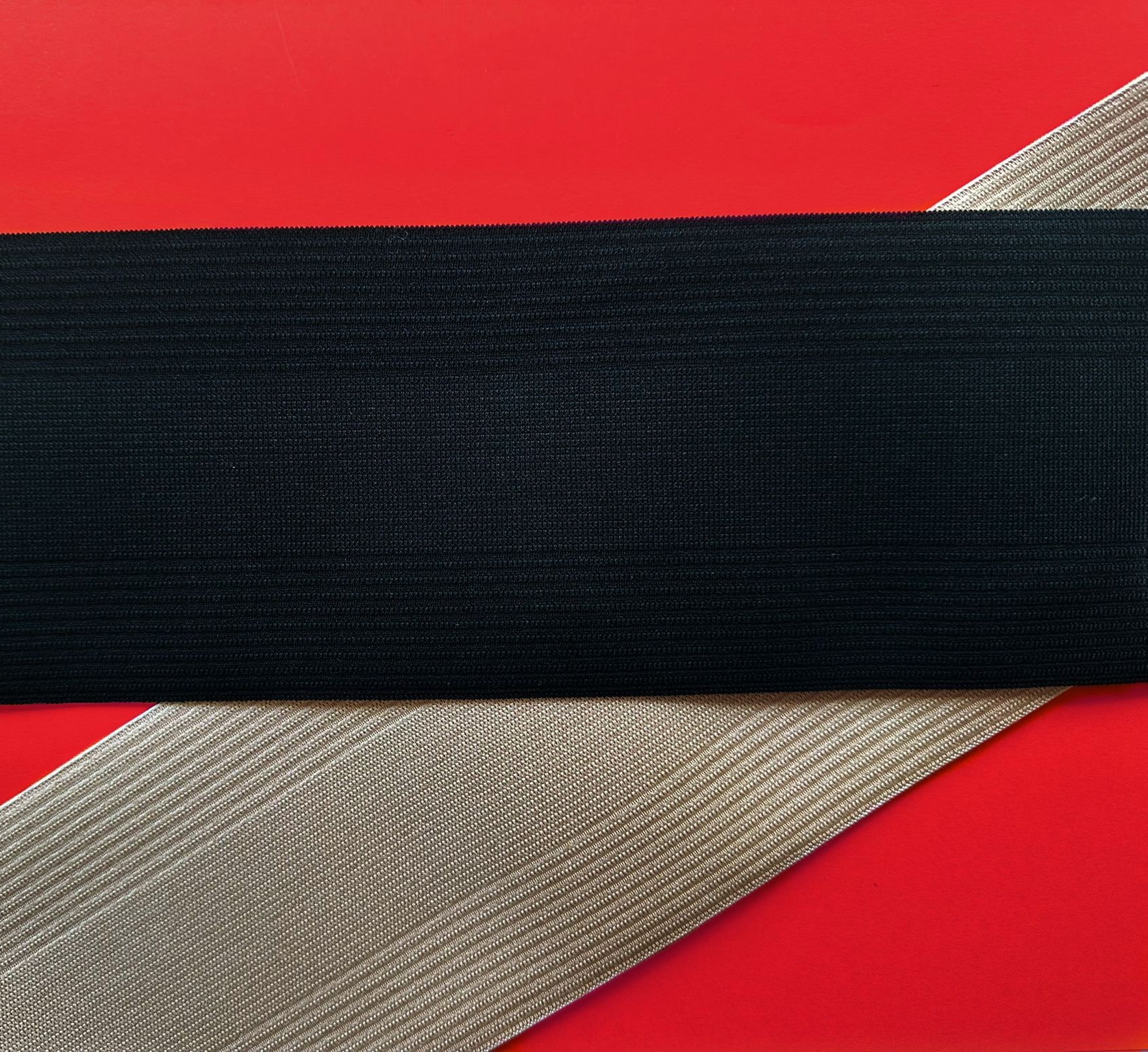
Elasticity vs. Compression: The Key to Effective Orthopedic Fabrics
In the development of high-performance orthopaedic products, every technical detail counts. From ergonomics to structural design, every element influences patient recovery. However, there is one determining factor that is often underestimated: tissue engineering.
Understanding textile behavior is essential to ensure clinical efficacy and comfort. In this analysis, we explore how elasticity and compression define the quality of modern orthopedic solutions.
1. Elasticity and compression: Complementary properties
Although often confused, these two properties serve distinct but interdependent functions in the medical sector:
- Elasticity: It is the ability of the tissue to adapt to the anatomy of the body, stretching and recovering its original shape. It is responsible for freedom of movement and ergonomic adjustment.
- Compression: This refers to the mechanical pressure that the tissue exerts on the affected area. It is vital for joint stability, muscle support, and improved venous return.
Technical note: A fabric can be highly elastic but not offer the necessary pressure (compression), or be very compressive but rigid. Success lies in the technical combination of both.
2. The Perfect Balance for Orthopedic Efficacy
The effectiveness of a technical garment does not depend only on its pattern, but on the exact balance between these two forces. A quality orthopaedic fabric should:
- Adapt to dynamic movement without losing their ability to exert constant pressure.
- Maintain elastic memory over time, resisting intensive use and washing cycles without deforming.
- To guarantee a reliable experience, offering the user the assurance that the support will not give way during their daily activity.
If you are looking for textile solutions that master this technology, you can learn more about our range specialized in fabrics for the orthopedic sector.
3. Performance-oriented textile design
The development of orthopedic materials requires an advanced technical approach. It is not simply a matter of choosing a fiber, but of configuring specific parameters:
- Fabric structure: Ligament and density influence breathability and firmness.
- Fiber selection: The use of high-quality elastomers ensures compression durability.
- Real functionality: Design with end-user needs in mind to balance comfort, fit, and therapy.
Conclusion: The key factor in user experience
The tissue is directly responsible for how an orthopedic product is perceived. Their behavior dictates whether a knee brace, a girdle or a bandage will be comfortable or if, on the contrary, it will be invasive for the patient.
Understanding the synergy between elasticity and compression allows manufacturers and designers to develop more effective solutions, aligned with the expectations of an increasingly demanding medical market.